
Essay
Northline Editions / 2026
Paywalls Change More Than Revenue
An essay on how asking readers to pay reshapes the relationship between a publication and the audience it serves. The relationship changes the moment money enters the picture.

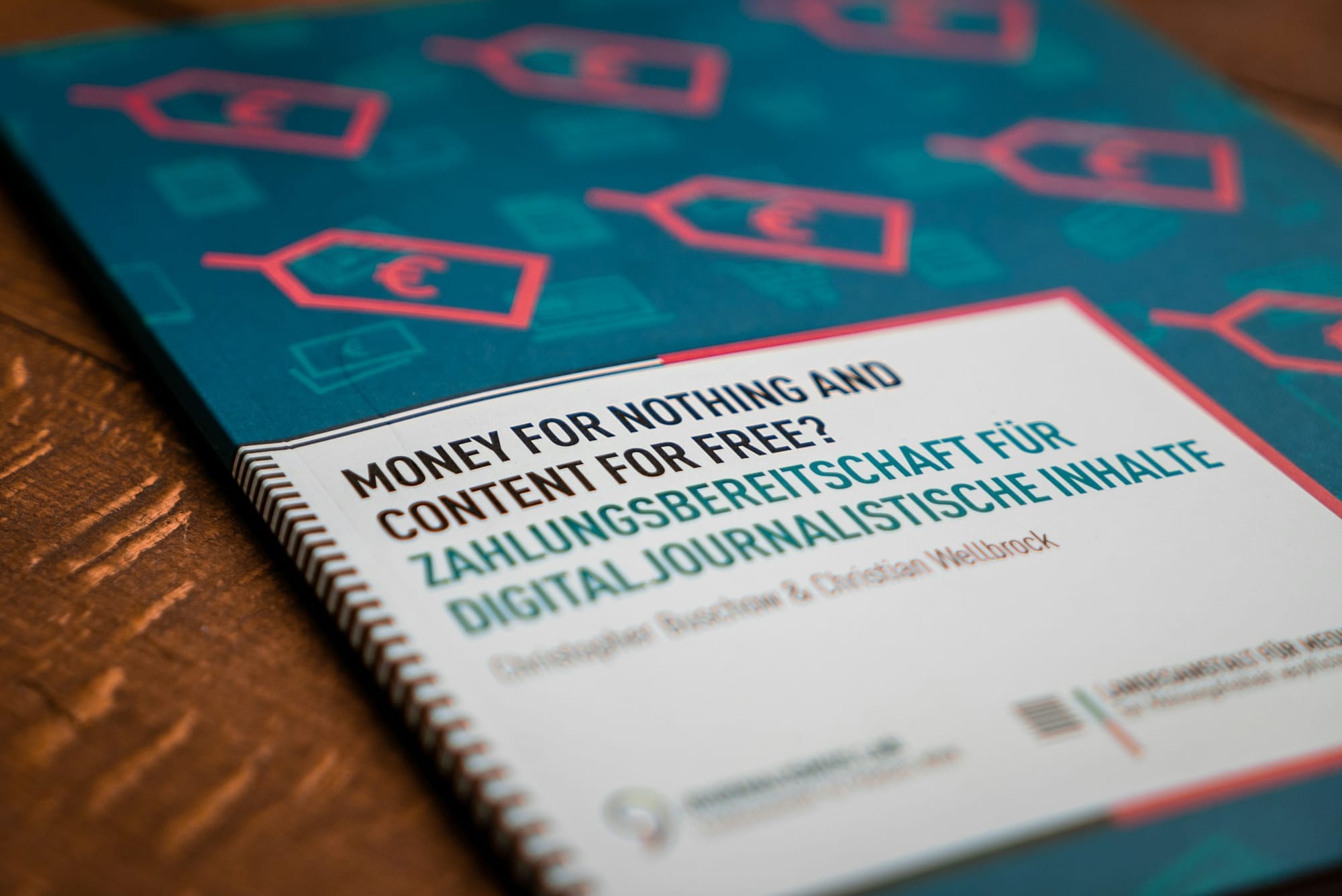
A paywall is usually introduced through a financial conversation. Advertising no longer covers the work, grants are uncertain or the publication wants revenue tied more directly to its readers. The spreadsheet asks how many people might convert and at what price. Those are necessary questions, but they describe only the transaction.
The moment a publication asks a reader to pay, the editorial relationship changes. A free reader can appreciate a piece, ignore the next three and return months later without feeling that anything is owed. A paying reader carries a standing expectation. They have not purchased one article; they have funded the promise that the publication will continue to make choices worth returning for.
That expectation can strengthen the work. It can also distort it if the publication treats payment as a gate placed around the same relationship rather than as a new agreement that needs to be explained.
Payment turns habit into a promise
Free publishing often depends on generosity without naming it. Editors give work to readers, readers give attention and both sides tolerate a degree of irregularity. A membership or subscription makes the exchange explicit. Frequency, access, archive quality and customer care become part of the editorial experience because the reader now encounters them as things purchased.
This does not mean every paying reader is entitled to dictate coverage. Editorial independence remains the product. It does mean the publication owes clarity about what payment supports and what a subscriber should expect. “Support independent journalism” may be emotionally true while remaining too vague to guide a renewal decision.
A useful subscription page answers practical questions without theatre: how often work appears, what remains free, what members receive, how cancellation works and where the money goes in broad terms. Readers do not need a line-by-line budget. They need enough information to understand the promise.
Trials and introductory prices belong to that promise too. A trial should offer enough time and access for somebody to understand the normal publication, not a specially crowded version that disappears after conversion. A discount needs a clear ending and an honest renewal price. Surprise may produce one payment; it is a poor foundation for the second.
The same applies to cancellation. Making departure deliberately difficult converts a reader's final interaction into evidence that the relationship was never as mutual as the publication claimed. An easy exit does not weaken the value of staying. It demonstrates confidence in it.
The boundary between free and paid work communicates values as clearly as the price. A publication might keep urgent public-interest information open while reserving analysis, archives or community access for members. Another might offer every article after a delay. Neither model is universally correct. The choice tells readers which parts of the work the publisher believes should circulate widely and which depend on direct support.
Problems begin when that boundary moves without explanation. An article promoted as open becomes locked after it earns attention. A member benefit quietly disappears. A discount available to new subscribers makes long-term readers feel penalised for staying. Each decision may make short-term financial sense while spending trust the publication will need later.
Paying attention to the paying reader
Subscription metrics can turn readers into stages in a funnel: visitor, trial, conversion, churn. These categories are useful for operating the business and dangerous when they become the only way the editorial team sees its audience. A person may cancel because the publication changed, because their circumstances changed or because they finally admitted they had no time to read it. The same event carries different information.
The closest source is still conversation. Ask new members what made the work worth paying for. Ask departing members one optional, respectful question and leave room for an answer outside the prepared categories. Read replies to members-only newsletters. Notice which benefits people mention without prompting and which exist mainly because competitors have them.
The publication also needs to protect free readers from becoming an audience it merely frustrates into payment. Teasers that conceal the basic subject, repeated overlays and deliberately interrupted sentences may lift a conversion experiment while teaching everyone else that the publisher sees their attention only as unfinished revenue. A clear opening and an honest boundary preserve more dignity than a page designed as a trap.
Paying readers, meanwhile, should not be asked to carry every growth initiative. Constant referral prompts, upgrades and product announcements can make a subscription feel like admission to a better-targeted marketing list. The member relationship needs stretches in which the only message is the work they came to receive.
There will always be tension. A paywall must convert enough people to support the publication, and conversion requires making the value visible. The editorial answer is not to avoid persuasion. It is to ensure the persuasion describes a real experience on the other side.
This includes failure. If an issue is late, a promised series changes or the publication publishes something it later regrets, members deserve direct acknowledgement. Payment does not purchase perfection. It does make silence feel different.
A paywall changes revenue when it works. It changes tone, obligation and the meaning of every return visit immediately. Publishers should design that relationship with the same care they give the price, because readers are not simply deciding whether an article is worth unlocking. They are deciding whether the publication's future is a promise they trust enough to join.