
Field note
Northline Editions / 2026
Small Print Runs
A field note on what changes creatively and financially once a print run drops down to a few hundred copies instead of thousands.

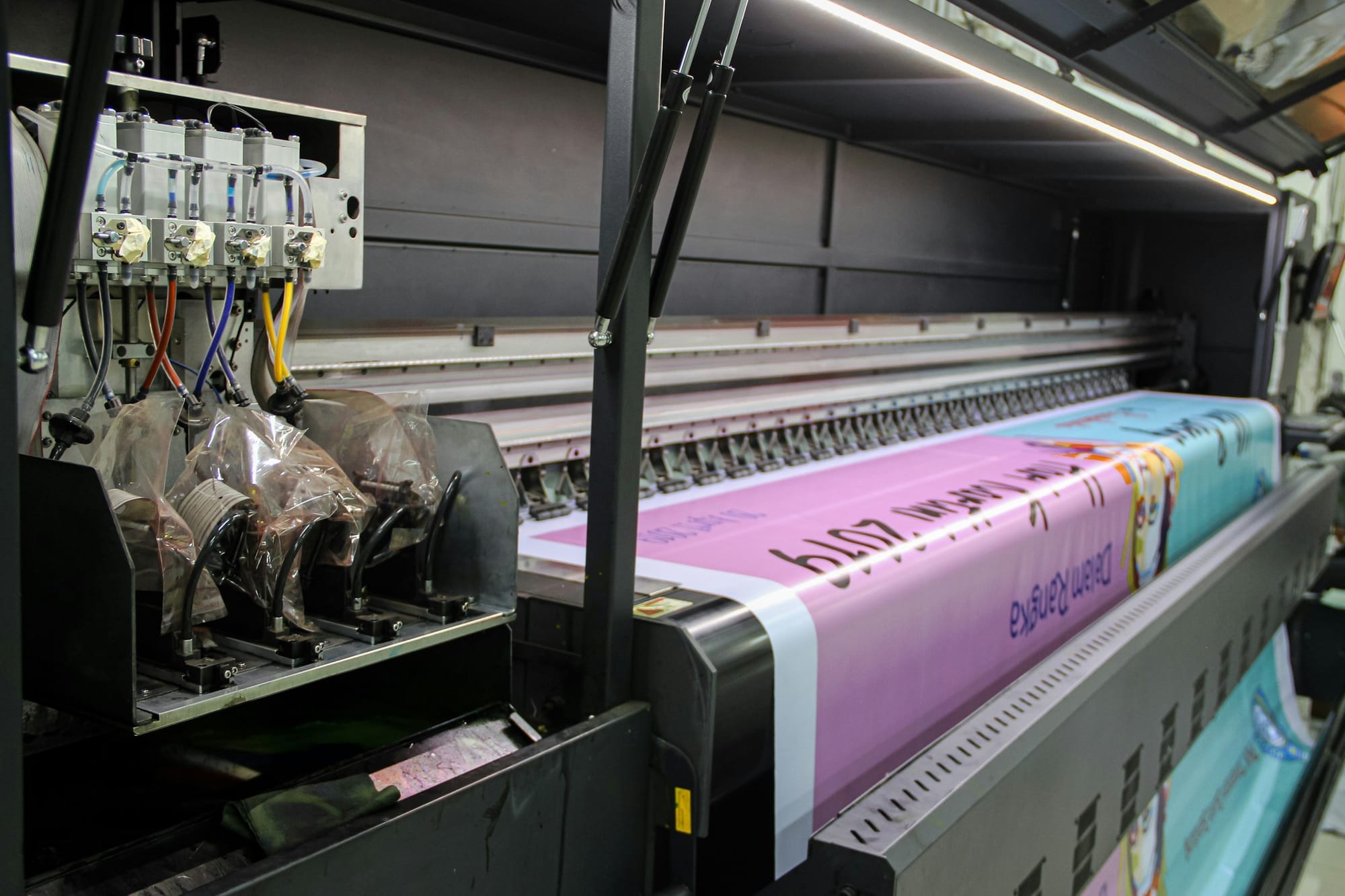
Ask a printer for a quote on two hundred copies of anything and you learn, immediately, that small runs are not a scaled-down version of large ones. The price per copy is punishing. The paper stock options narrow. Some of the more interesting finishes simply aren't available below a certain volume, because the machinery that produces them doesn't make economic sense to run for a stack that small. A small print run is its own category, with its own trade-offs, not a discount version of a real magazine.
I learned this the expensive way on the first issue of a small run I ever produced myself, when a paper stock that had looked identical to a larger-run sample turned out to behave completely differently at low volume, arriving slightly warped from a press that clearly wasn't built with runs our size in mind. The lesson wasn't really about paper. It was about how much of print production assumes a scale nobody had told me, plainly, that we didn't have.
What the small number buys back
What a small run gives up in unit economics, it gets back in a kind of editorial freedom that larger runs can't afford. A cover that might alienate a fifth of a mass readership is a manageable risk when the whole readership is a few hundred committed subscribers who signed up specifically because they trust the judgment behind it. A story that would need softening for a broad audience can run at full intensity, because the audience reading it opted in with open eyes.
There's also a more basic, practical benefit that has nothing to do with editorial nerve: a small print run is simply easier to sell out. A sold-out issue does more for a small publication's credibility than a half-empty warehouse of a much larger one, and the psychological difference between "we printed exactly what we needed" and "we're still working through last year's overstock" shapes how a masthead talks about itself, even when the underlying revenue numbers might tell a more complicated story either way.
None of this is an argument that every publication should stay small forever. Some ideas do need a bigger audience to justify the work behind them, and print economics eventually reward scale in ways that are hard to ignore indefinitely. But two hundred copies, chosen deliberately rather than settled for, is a legitimate publishing strategy in its own right — not a smaller failed attempt at something else.